
In Victoria, penalties for electrical safety breaches can reach $10,000, so our compliance work has to be precise, documented, and repeatable every time. This guide, written for licensed electricians and commercial contractors, maps the practical requirements you need to meet in 2026 using the core AS/NZS wiring, circuit protection, installation, and testing standards, with Victoria-specific enforcement and expectations from Energy Safe Victoria (ESV) and COES processes.
Key Takeaways
| What you must get right in 2026 | How to apply it on site |
| RCD/ELCB mandates and the move toward all-circuit protection. | Plan switchboard layouts early and align protection to the circuit schedule. Use our Victorian RCD planning approach before deadlines. Read the RCD Mandate 2026 planning guidance. |
| Correct cable selection per AS/NZS 3008 and installation environment. | Verify voltage rating, ampacity, derating factors, containment, and grouping before finalising take-offs. Cable selection fundamentals for VIC projects. |
| Recordkeeping and testing evidence for COES/CEST workflows. | Keep test results, diagrams, and compliance evidence for the required retention period, and ensure test values match the installed design. |
| Arc-fault detection and life safety choices (RCBO vs AFDD). | Use arc detection where it fits the risk profile and circuit type, and choose protection devices accordingly. RCBO vs AFDD guidance. |
| Commercial/industrial infrastructure planning in 2026. | Coordinate distribution, containment, take-offs, and procurement lead times with your electrical design. Planning, supply, and delivery for VIC. |
| Correct phase configuration for Victorian industrial loads. | Decide whether three-phase or single-phase better matches loads, losses, and operational clarity. 3-phase vs single-phase requirements in 2026. |
- Q: What standards govern electrical wiring in Victoria for most installations? A: Start with AS/NZS 3000 for wiring rules, then apply AS/NZS 3008 for cable selection and installation practices, and layer in circuit protection and testing requirements.
- Q: What is the practical biggest cause of compliance failure in 2026? A: Mismatch between design intent and installed values, especially cable/derating assumptions and circuit protection configurations, followed by incomplete COES evidence.
- Q: Who enforces electrical safety compliance in Victoria? A: Energy Safe Victoria (ESV), with COES-related compliance pathways and expectations for evidence-based sign-off.
1) The Victorian compliance framework in 2026, what ESV expects, and where AS/NZS fits
When we plan and certify electrical work in Victoria in 2026, we treat compliance as one system, not separate checkboxes. The wiring rules typically centre on AS/NZS 3000, with AS/NZS 3008 driving cable selection and installation requirements, and additional standards covering circuit protection, emergency safety, and generation systems where applicable.
From a Victorian perspective, Energy Safe Victoria (ESV) expects installations to be safe, correctly installed, and supported by appropriate test results and documentation. For notifiable work, COES processes require that the paperwork matches what was physically installed and tested.
Practically, we structure every project around four evidence streams:
- Design compliance (circuit schedule, cable selection method, protection plan, and required documentation).
- Installation compliance (method of installation, segregation, containment, termination quality).
- Testing compliance (insulation resistance, continuity, RCD trip performance, and polarity).
- Commissioning and handover compliance (labeling, diagrams, and record retention).
2) AS/NZS 3000 wiring rules, the details that prevent rework and failed sign-off
AS/NZS 3000 is where most electricians start for “how we must wire it”, but the standard only stays useful if you apply it at the level of termination, routing, and segregation. In Victoria in 2026, we see failures most often where cable routes change late, circuit grouping differs from the design notes, or the installation environment does not match the assumptions used for ampacity and protection coordination.
Key practical areas we apply from AS/NZS 3000-style thinking include:
- Correct earthing and bonding, with continuity validated by testing and terminations tightened to manufacturer requirements.
- Polarity and identification, including consistent circuit identification and labelling that matches the single-line diagram.
- Containment and segregation so circuits are protected from mechanical damage, heat effects, and unwanted interactions.
- External influences (moisture, temperature, mechanical risk) considered in the wiring method, not only at the cable selection stage.
Trade takeaway: If the cable route or environment changes between design and installation, we treat it as a compliance change, not a “small variation”, and we re-check the cable selection and protection assumptions before commissioning.
3) Cable sizing and installation under AS/NZS 3008, how we avoid the common ampacity traps
Cable compliance is rarely about just choosing the right diameter. Under AS/NZS 3008, we verify ampacity, derating, and installation method, because groups, insulation type, thermal conditions, and containment details can materially affect maximum current carrying capacity.
For Victorian sites, our cable selection checklist is usually driven by the following variables:
- Voltage rating matched to the application and circuit voltage.
- Ampacity checked using the correct installation conditions and any grouping assumptions.
- Installation environment, including heat exposure and how the cable is installed in tray, duct, conduit, wall, ceiling space, or embedded surfaces.
- Mechanical and protection considerations, including protection from damage and proper termination practices.
- Future-proofing where design intent includes later load changes, to avoid “compliance-by-replacement” cycles.
If you need a practical starting point, our VIC cable selection guidance covers voltage ratings, ampacity, environment, and the compliance mindset expected under AS/NZS 3000 style wiring requirements: Choosing the Right Electrical Cables for Your Project in Victoria.

4) RCD compliance in Victoria in 2026, mandate planning and commissioning evidence
RCD requirements remain one of the highest-impact compliance areas for Victorian electricians in 2026. The key practical problem is that protection changes affect switchboard design, circuit scheduling, and the scope of testing, not just a device swap at the end.
We treat RCD compliance as a project planning item, starting early enough to:
- confirm circuit grouping strategy and switchboard capacity for additional devices,
- stage procurement to avoid delivery delays impacting commissioning,
- plan labeling and documentation so the as-installed diagrams match reality,
- prevent last-minute rework by aligning installation and testing methods.
For a Victoria-specific operational view, our 2026 RCD mandate preparation guide walks through what changes, switchboard upgrade triggers, planning lead times before November 2026, cost and disruption notes, and why you should not rely on superficial updates alone: RCD Mandate 2026: what Victorian electricians need to know before November.



5) RCBO, AFDD and life safety choices, including practical planning for 2026
RCD-based protection is essential, but life safety protection design in 2026 also considers whether your circuits need additional detection strategies. In practice, the decision frequently comes down to RCBO versus AFDD depending on the circuit type, risk profile, and the switchboard architecture.
We approach the comparison as an engineering question, not a sales question. We look at what the device monitors, how the circuit behaves under fault conditions, and how the protection plan fits the installation constraints and documentation expectations.
Our practical guidance for selecting the correct arc protection approach is here: RCBO vs AFDD: which circuit protection standard actually saves lives?.


6) 3-phase vs single-phase, coordination impacts on compliance and commissioning
On industrial and commercial sites, phase selection and distribution strategy affect not just performance, but also how your protection and cable containment is organised. In Victoria in 2026, we see that unclear load classification and late phase changes can cascade into cable redesign, switchboard modifications, and retesting.
We use three-phase planning for heavier industrial loads where appropriate, and single-phase for lighter loads where it improves clarity and reduces unnecessary complexity. Either way, the compliance outcome depends on consistent coordination between the electrical design, cable routing, and protection arrangement.
For a VIC-focused view on operational requirements and planning in 2026, see: 3 Phase vs Single Phase: Victorian industrial requirements in 2026.


7) Planning commercial and industrial electrical infrastructure for compliance in 2026
For larger projects, compliance starts long before installation day. In 2026, we plan commercial and industrial electrical infrastructure around buildability and evidence capture, because long containment runs, complex distribution, and multiple circuit take-offs can easily create mismatches unless procurement and installation sequencing are aligned.
We typically coordinate:
- Distribution routing (main routes, submains, and accessible take-off points).
- Containment design to maintain installation conditions that support cable ampacity assumptions.
- Protection strategy so switchboard builds match the circuit schedule.
- Testing strategy so commissioning can be performed efficiently and with complete evidence.
For a 2026-focused guide to planning, supply, and delivery, including trade-led sourcing and local branch support in Victoria, use: Commercial and Industrial Electrical Infrastructure: The 2026 Best Guide.
8) Solar PV and related electrical standards in Victoria (AS 4777, AS/NZS 5033) and what to check in 2026
Where solar PV is part of the scope, we expand the compliance envelope beyond basic wiring rules. For generation and installation integration, the relevant Australian standards include AS 4777 and AS/NZS 5033, which cover interface requirements, installation arrangements, and how the system is expected to behave under fault and operational conditions.
In 2026, our key solar compliance checks typically include:
- Interface compliance between the PV system and the installation earthing and protection strategy.
- Cable routing and segregation so the installation environment remains consistent with cable selection assumptions.
- Protection coordination, ensuring the PV system protection design aligns with switchboard arrangements and circuit protection planning.
- Testing and commissioning evidence aligned to documentation requirements for notifiable work and client handover.
If your project includes distribution upgrades and the switchboard build will need RCD protection planning, the same 2026 mindset applies, we just extend the design and testing evidence to cover solar interface requirements as well.
9) Emergency lighting, arc flash awareness, and documentation that stands up to scrutiny
Electrical compliance in Victoria does not stop at power circuits. For emergency safety systems and high-risk work practices, we align with the relevant standards for the scope.
For emergency lighting systems, we apply AS 2293 requirements to ensure correct design and functional arrangements. For high-risk installations and maintenance scenarios where arc flash considerations are relevant, we align our risk assessments and safe work planning with AS/NZS 4836.
Across all these scopes, our documentation discipline is consistent:
- Single-line diagrams that match the installed switchboard configuration.
- Test records including insulation resistance and RCD trip performance results.
- Labeling that supports safe operation and future maintenance.
- Record retention for the required period so we can demonstrate compliance history if asked.
Because COES-related compliance is evidence-driven, we also ensure our testing notes and diagrams are aligned before we submit and hand over. This reduces the most common failure pathway, where the device was installed correctly but the documentation or test evidence does not match the as-built configuration.
10) Why choosing the right Victorian electrical wholesaler improves compliance outcomes in 2026
Wholesaler choice affects lead times, device availability, and your ability to get the right protection and cable types before you build the switchboard. In Victoria in 2026, we work with customers who want trade-focused support, not generic catalogue ordering.
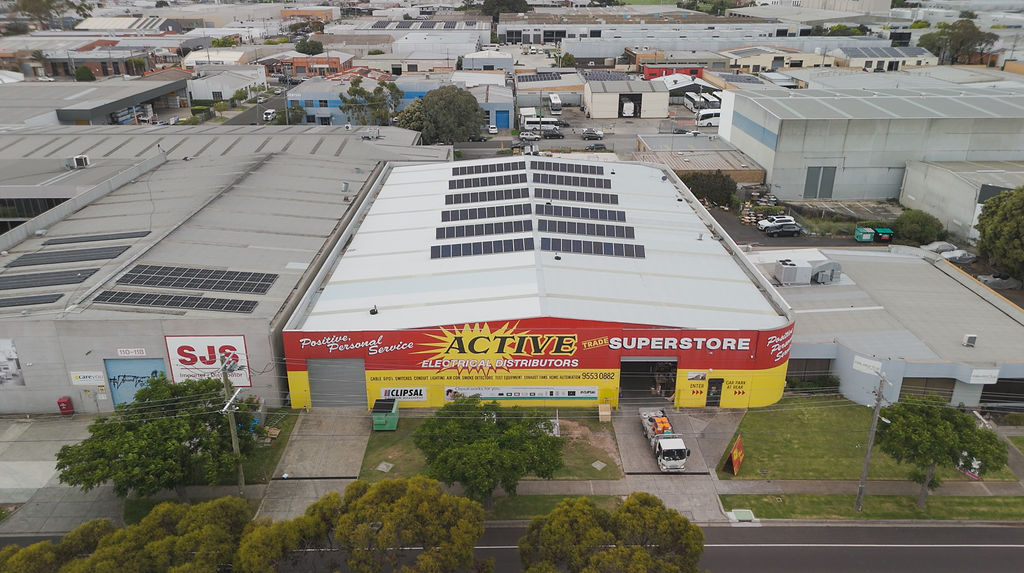
Active Electrical Distributors positions itself as a compliance-knowledgeable supplier, with local branch support across Victoria and guidance that helps contractors maintain design intent when the project changes. If you are reviewing procurement strategy, it helps to compare how local service supports faster resolutions when the installation conditions do not match initial assumptions.
- If you are planning cable and wiring scope, we recommend starting with cable selection fundamentals and then coordinating protection and switchboard capacity.
- If you are planning switchboard changes, we recommend aligning RCD device requirements early and verifying circuit schedules with your installer team.
- If you are planning a larger commercial project, we recommend using a project-ready supply approach so deliveries do not force last-minute design changes.
For an overview of how we support trade customers in Victoria, see: Your premier electrical supplier in Victoria.
Conclusion
Electrical Compliance Victoria 2026 — Complete AS/NZS Standards Guide for Electricians comes down to consistent application of AS/NZS 3000 wiring rules, correct cable selection and installation under AS/NZS 3008, and properly planned RCD and circuit protection systems that match the as-built reality. When we combine sound design decisions with rigorous testing evidence and COES-ready documentation, we reduce rework and support safe outcomes that align with ESV expectations.
If you want a practical, Victorian-operational pathway for compliance, Active Electrical Distributors helps contractors maintain the design intent through better availability and compliance-focused trade support, from cable selection to RCD planning and industrial infrastructure coordination in 2026.
Frequently Asked Questions
What standards do I need to follow for Electrical Compliance Victoria 2026?
For Electrical Compliance Victoria 2026 — Complete AS/NZS Standards Guide for Electricians, you typically start with AS/NZS 3000 for wiring rules and apply AS/NZS 3008 for cable selection and installation conditions. From there, you layer in requirements for RCD protection, testing, and any additional scope such as solar PV (AS 4777, AS/NZS 5033) or emergency lighting (AS 2293).
How do I plan for the RCD changes coming up in Victoria in 2026?
Electrical Compliance Victoria 2026 — Complete AS/NZS Standards Guide for Electricians treats RCD planning as a switchboard design and commissioning task, not a last-day device swap. We align circuit schedules, plan device counts and switchboard capacity early, and ensure your labelling and test evidence match the as-installed design.
Is RCBO or AFDD the better life-safety option in 2026 for Victorian commercial circuits?
For Electrical Compliance Victoria 2026 — Complete AS/NZS Standards Guide for Electricians, the better option depends on the circuit type, risk profile, and how the protection strategy integrates into the switchboard. We compare what the device detects, then design the protection approach so testing and documentation reflect the installed configuration.
What cable mistakes most often cause compliance issues in Victoria?
In Electrical Compliance Victoria 2026 — Complete AS/NZS Standards Guide for Electricians, the most common cable problems involve incorrect ampacity assumptions, missing derating factors, or environment changes between design and installation. Under AS/NZS 3008, we verify voltage rating, current capacity, and installation conditions so the final installation matches the calculated design basis.
What testing evidence do I need to support COES and sign-off in Victoria?
Electrical Compliance Victoria 2026 — Complete AS/NZS Standards Guide for Electricians relies on test results and diagrams that match the as-built installation. Your documentation should cover insulation resistance and RCD trip performance testing outcomes, plus circuit identification and records retained for the required period.
What’s the biggest compliance risk when upgrading switchboards for RCDs in 2026?
In Electrical Compliance Victoria 2026 — Complete AS/NZS Standards Guide for Electricians, the biggest risk is building protection that does not match the circuit schedule, or submitting evidence that does not reflect the final as-installed configuration. The fix is early planning, accurate labelling and single-line diagrams, and commissioning testing that confirms performance.


